A 10:1 return on SEO for a high-ticket brand breaking into the UK
▲︎ 10:1 ROI on SEOCurious what SEO and AI search could unlock for your store?
Get your free video audit →
The short version
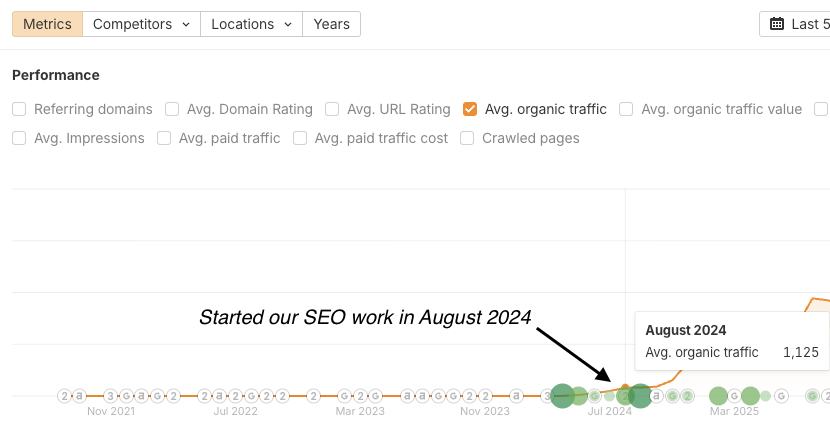
- A high-ticket ecommerce brand came to us with a four-month-old website, about 1,125 organic visitors a month, and almost all of it branded: people who already knew the brand.
- They wanted to sell directly in the United Kingdom, a market where their own distribution partners had a three-to-five-year head start in marketing and SEO.
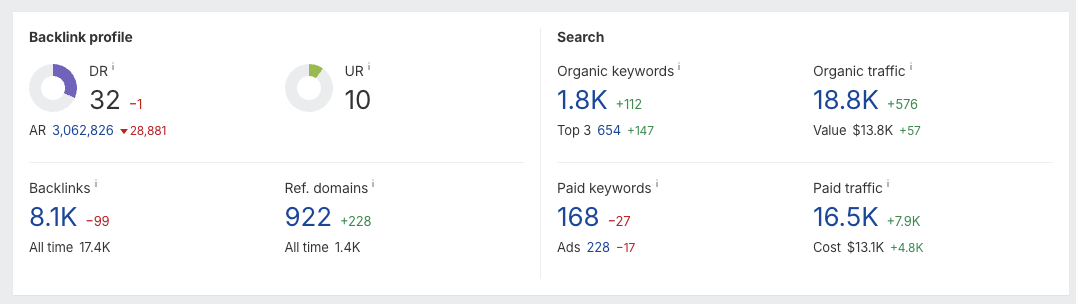
- Under two years later they are at around 20,000 organic visitors a month, 97.7% of it in the UK, and in June 2026 organic drove roughly £43,700 in a single month: a 10:1 return on their SEO spend.
- On about £90,000 invested so far they have earned roughly £400,000 in cumulative organic revenue, and we estimate the work has added over £1.25M to the company’s value.
A note on anonymity: to protect the client’s rankings, we can’t name them or their exact niche, if we did, competitors could simply copy the playbook. Every screenshot of their own data below is real. The niche examples (hot tubs, pools) are illustrative stand-ins for a similar high-ticket market, the same way we explain it in the video.
Who they are, and the challenge
The client is an ecommerce brand selling high-ticket products, the kind of items that cost anywhere from a couple of thousand pounds up to £10,000–£15,000 each. At that price point, a single extra sale a month more than pays for a serious SEO campaign, which is exactly why organic search is such a powerful channel for them.
Their problem was specific. Up to this point they had sold into the UK through distribution partners. Those distributors did one thing extremely well: marketing and SEO. Over three to five years they had built a genuine moat, pages that ranked, authority that had compounded, and a head start that made them very hard to catch. When our client decided to sell in the UK directly, they were effectively starting from zero against their own distributors.
And they really were starting from zero. When they came to us, the website was only four or five months old, and it pulled in around 1,125 organic visitors a month, nearly all of it branded search: people typing in the brand name because they already knew it. Almost nobody was discovering them through Google without knowing them first.
That distinction matters more than any single metric in this study, so it’s worth being blunt about it: branded traffic is not what SEO is for. If someone searches “Nike,” Nike didn’t need SEO to win that click. The job of SEO is to win the person searching “running shoes” who has never heard of you. When we started, our client was winning almost none of those searches. They liked the challenge, we liked the challenge, and we got to work.
Step 1: is SEO even worth doing here?
Before we take on any store, we run one analysis, and we run it every time: is SEO actually worth doing for this business, in this niche, at these prices? We’re looking for long-term, win-win relationships, and there’s nothing win-win about signing a client, taking their money for three months, and then explaining why nothing has moved. If the odds aren’t there, we say so up front and walk away. It’s the single biggest reason our campaigns tend to work.
For this client, the audit came back with far more in the “yes” column than the “no” column.
In favour: the products were high-ticket, so each sale is worth a lot. The keywords had high search volume, plenty of real demand to capture. And the competitor analysis showed rivals pulling tens of thousands of organic visitors a month, which is proof the money is there to be won. They also had enough budget to make a dent, our minimum is usually £2,500/month and they came in around £4,000–£5,000, which is enough to do real damage in a niche like this.
Against: it’s a high-competition, high-ticket niche, the competitors weren’t asleep, and the website was brand new. SEO is always easier on a domain that’s been around a few years, and theirs was months old. But new domains are still very workable, and the upside clearly outweighed the friction. So the answer was a confident yes.
Step 2: find where the money actually is
The most valuable hours in any campaign are the ones spent before we build anything: working out exactly where the demand is and how the winners are capturing it. We start with thorough keyword research and a low-hanging-fruit analysis, mapping every realistic way people search in the niche and how much each keyword is worth.
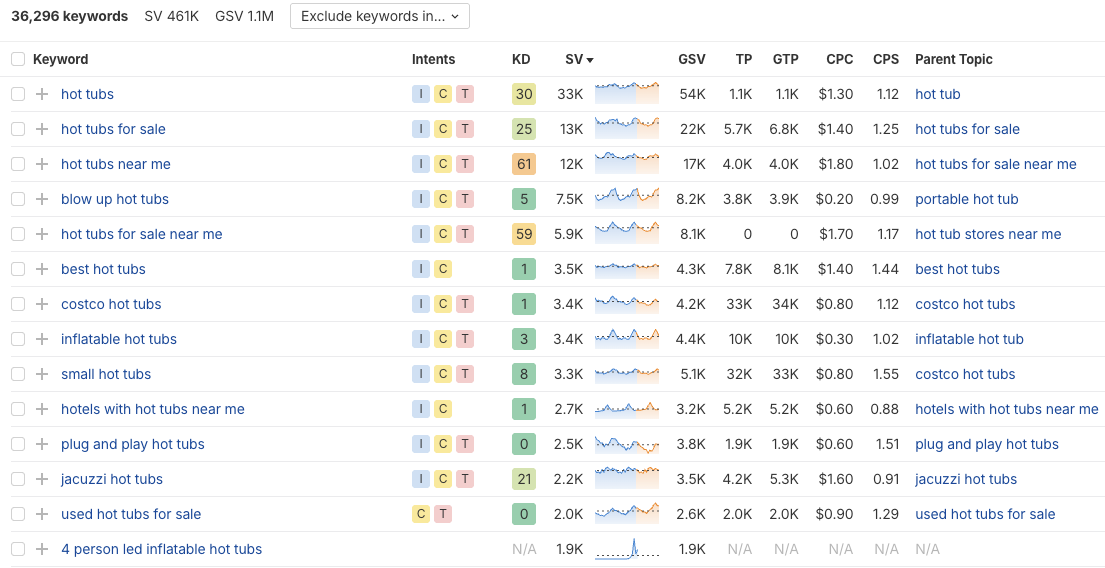
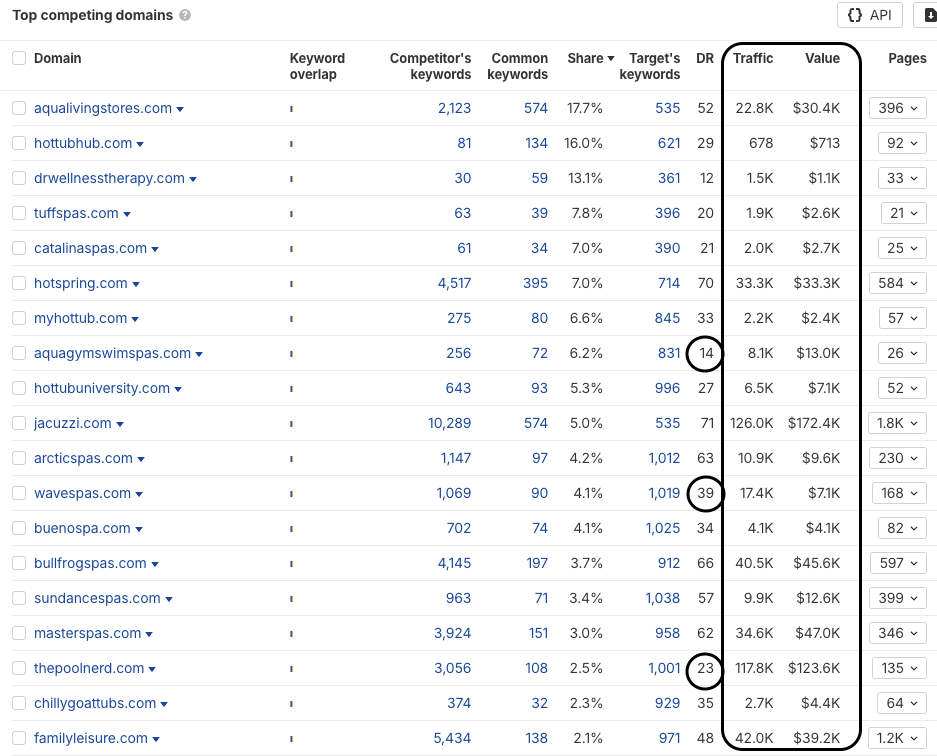
Then we study the competitors, and this is where the strategy gets sharp. We don’t just look at who ranks; we look at which small, low-authority sites are winning big traffic. If a brand with modest authority is pulling tens of thousands of visitors, it usually means they’re ranking for keywords that are easy to win, and easy wins are exactly where a new site should start.
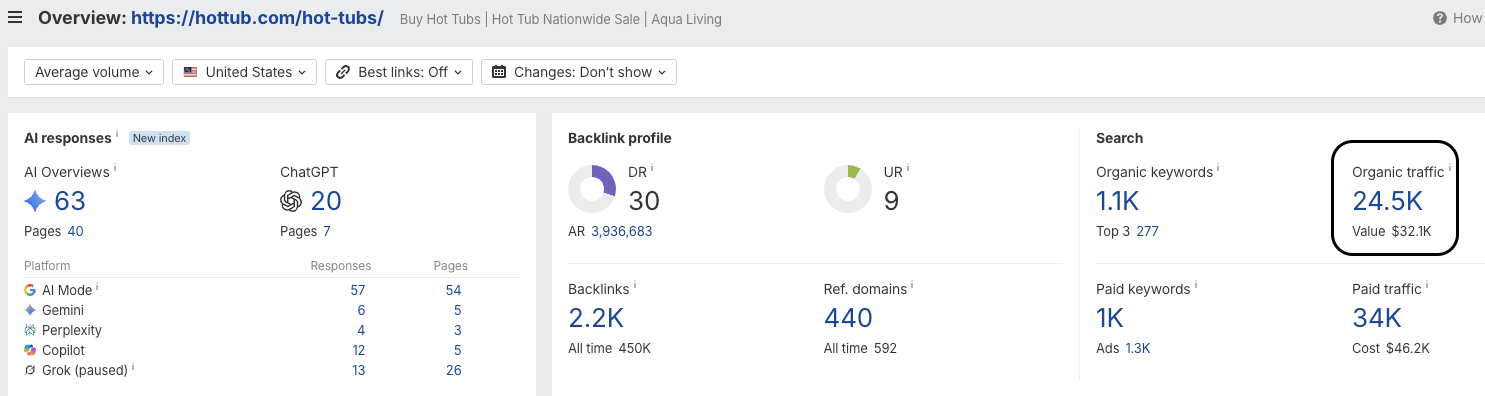
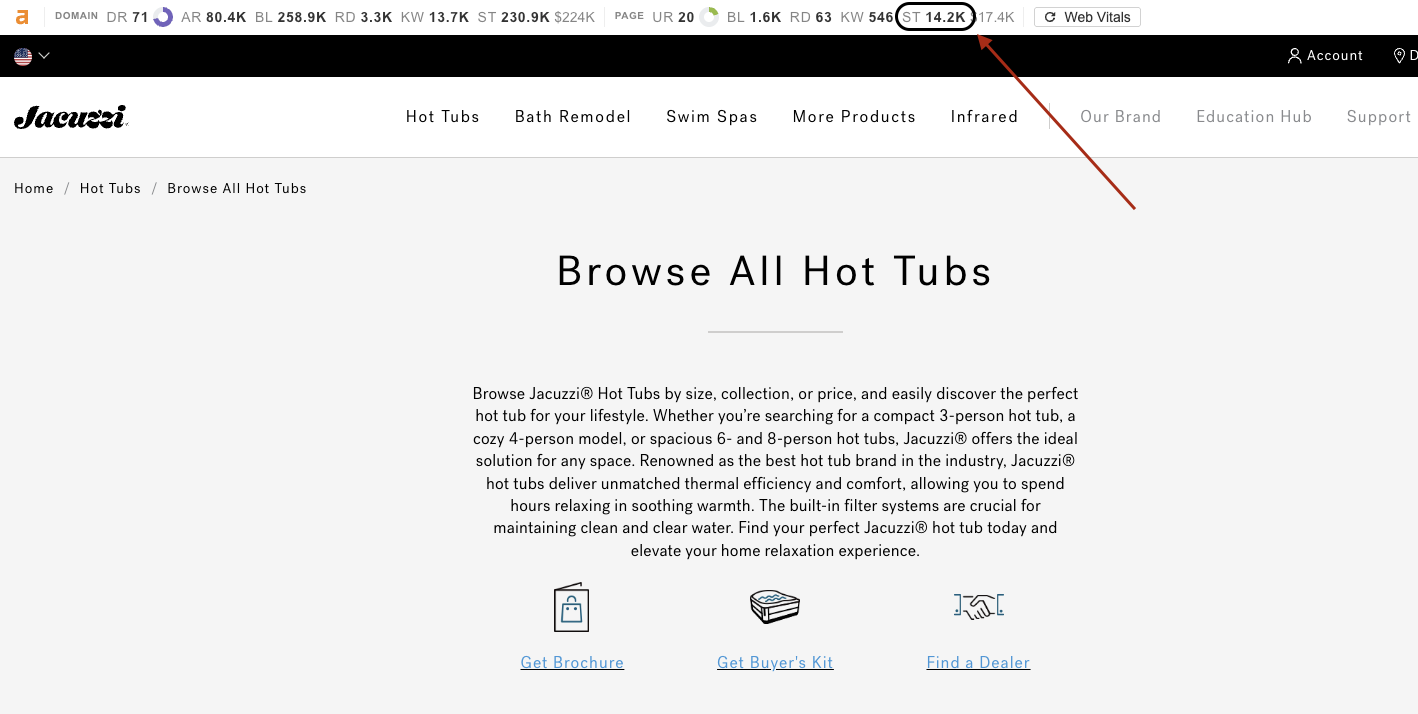
We do the same at the page level: which single pages are doing the heavy lifting, and what are they ranking for? A competitor’s best landing page will often out-earn their entire blog.
We start from the easy keywords and compound upward toward the hard ones. Go after the hardest terms first and you can burn a year with nothing to show for it; start with the winnable ones and the early revenue funds the harder work, and buys the client the patience SEO needs.
What we actually did
We optimised the most important category pages first. For most ecommerce stores, the biggest money hides in the category (collection) pages, not the blog and not individual products. So we identified the highest-potential categories and optimised them properly to give them the best possible odds of ranking.
We built new collection pages to capture missed demand. Our keyword research always turns up high-demand searches a store has no dedicated page for. Those are gold: real demand, often lower competition. We built and optimised new collection pages to catch that traffic, which delivered early wins and proved ROI fast.
We fixed the site structure. The most important categories need to be easy to reach, from the main menu and, where it makes sense, the homepage, which is almost always a site’s strongest page. Putting the money categories front and centre makes them meaningfully easier to rank.
We built authority straight to the money pages. Across the campaign, roughly half of all resource went into backlinks, because in a competitive niche authority is the real lever. And we don’t spray links at the homepage; we build high-quality links directly to the specific category pages we want to rank. It is far easier to make one category page competitive than to lift an entire domain, and that focus is what lets a young brand start beating far larger, more established rivals.
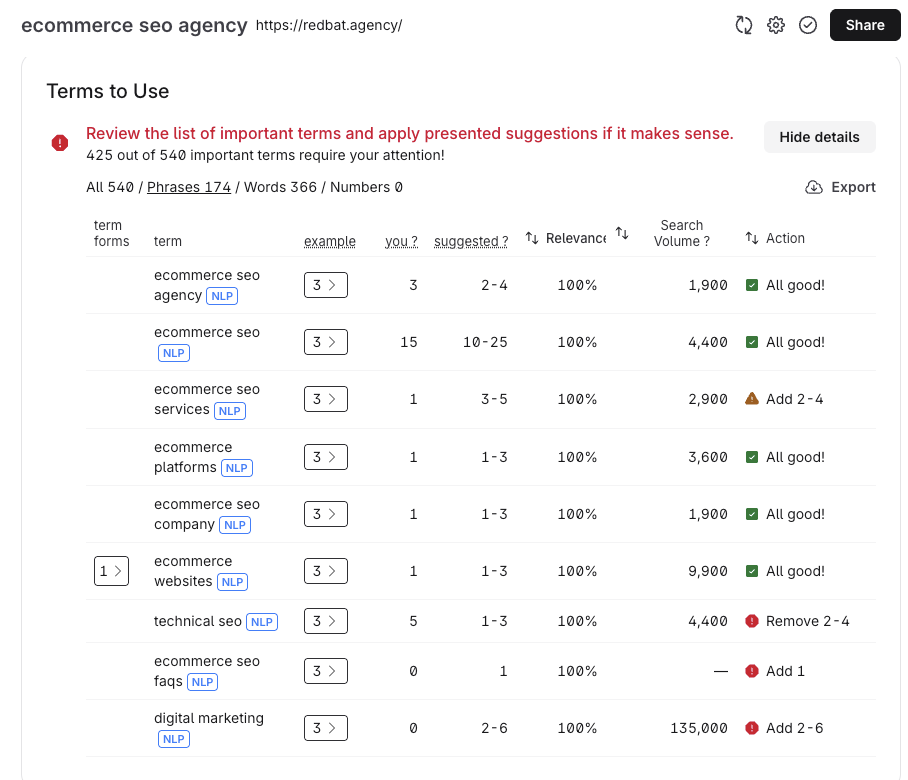
We optimised the on-page work with data, not guesswork. For every important page we use a content-optimisation tool to see exactly which terms Google expects, and how often, so nothing is under- or over-done.
We created content that earns its keep, and gets cited by AI. We don’t write blog posts for the sake of it. Every article we commission has to have a real chance of leading to a sale, usually “best X” comparison content where our client’s products can legitimately feature.
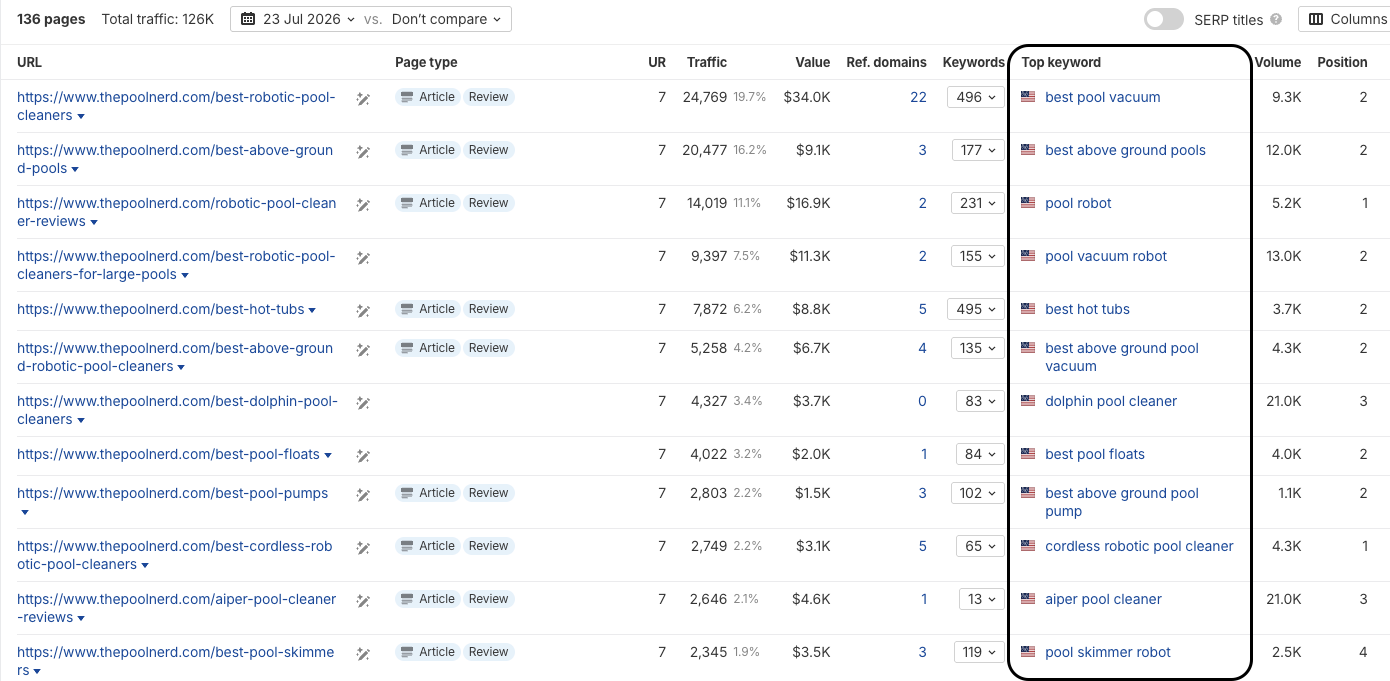
This same content increasingly does double duty in AI search. When someone asks ChatGPT, Perplexity or Google’s AI Overviews a buying question, well-structured content is what gets cited, and from that citation, your product and category pages get pulled in as the recommendation.
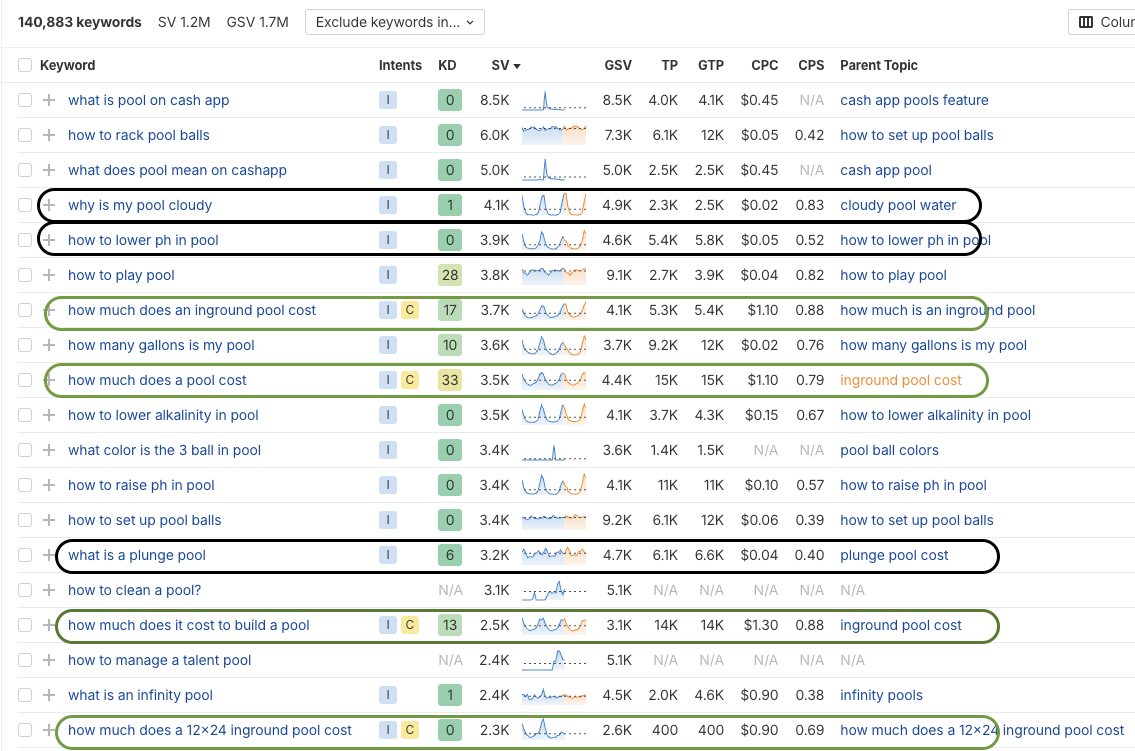
We did the boring-but-necessary technical work. A full technical audit up front, fixed what was broken, then re-checked quarterly. Technical SEO is usually overrated, in this case there wasn’t much to fix, but the odd real issue is worth catching.
For the record, here’s roughly how the budget was split: ~50% backlinks, ~25% content (new pages, optimisation, articles), ~5% technical, and ~20% analysis and research, the strategist time that keeps the whole thing pointed in the right direction.
The results
The organic traffic curve tells the story better than any paragraph can.
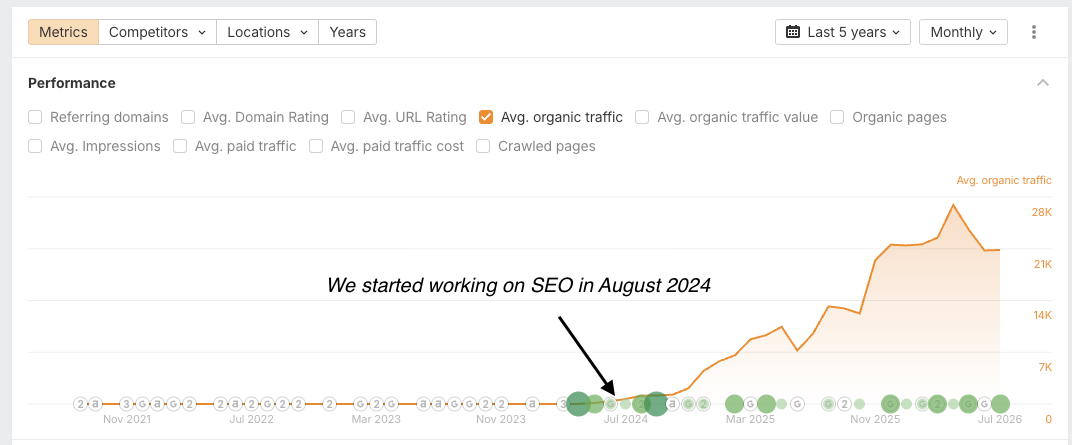
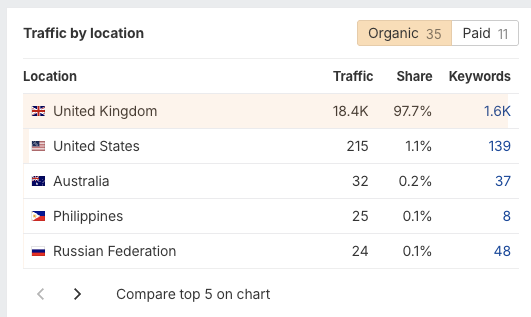
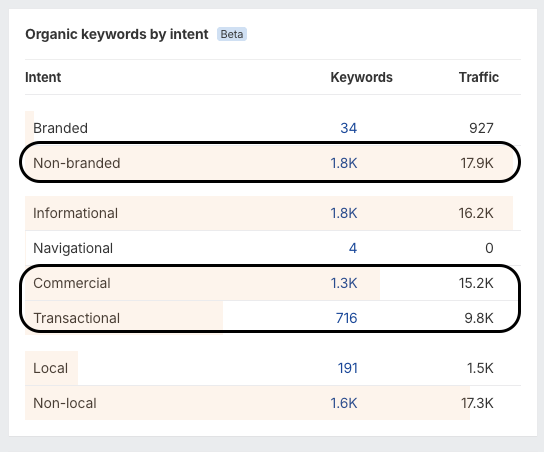
Three things about that growth matter more than the headline number. First, 97.7% of it is in the United Kingdom, precisely the market they came to us to win. Second, the branded traffic barely moved, it’s still around 1,000 a month, which means essentially all of the growth is non-branded: people discovering the brand for the first time through search. Third, most of that new traffic is commercial and transactional, buyers, not browsers.
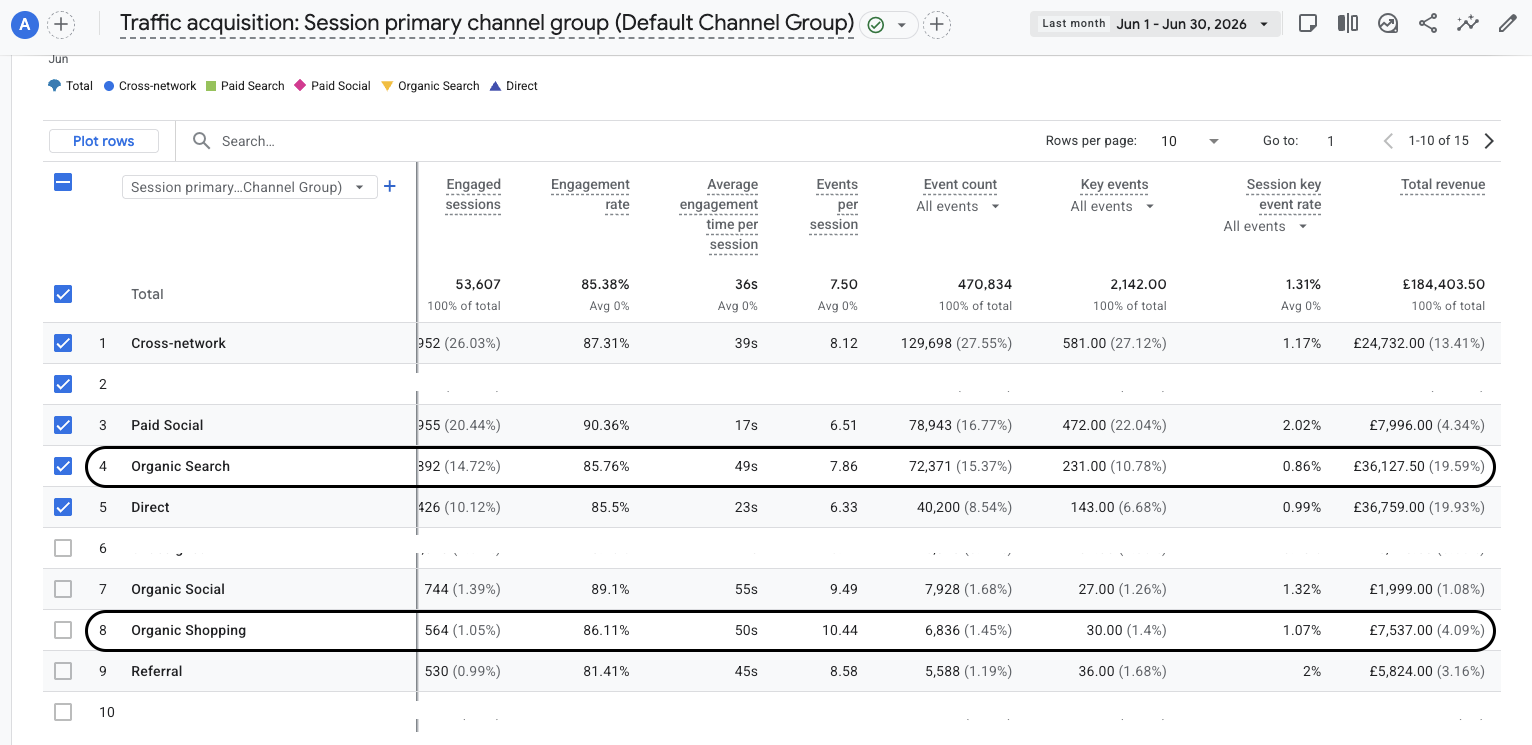
Now the part that pays the bills. In June 2026, organic search drove £36,127 in tracked revenue and organic shopping added another £7,537, roughly £43,700 from organic in a single month.
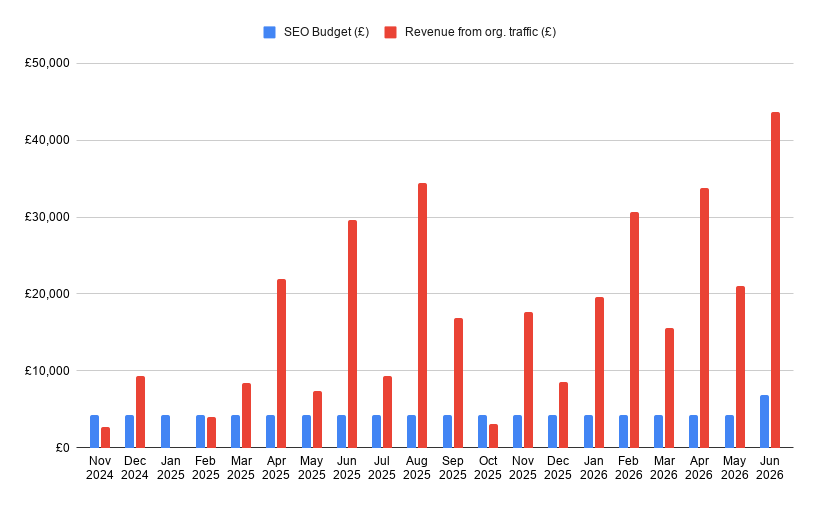
Against the roughly £4,000–£5,000 a month that period was built on, that’s a 10:1 return. The client was happy enough with the trajectory that they’ve since increased their budget to grow faster, which is the clearest vote of confidence a client can give.
Why SEO keeps paying: the compounding
Here’s the part most people miss. Stop paying for ads and the traffic stops that same day. SEO behaves in the opposite way. The trade-off is that it takes time, usually five to six months before a newer site sees real movement, but once the work is done, it keeps returning value long after you stop.
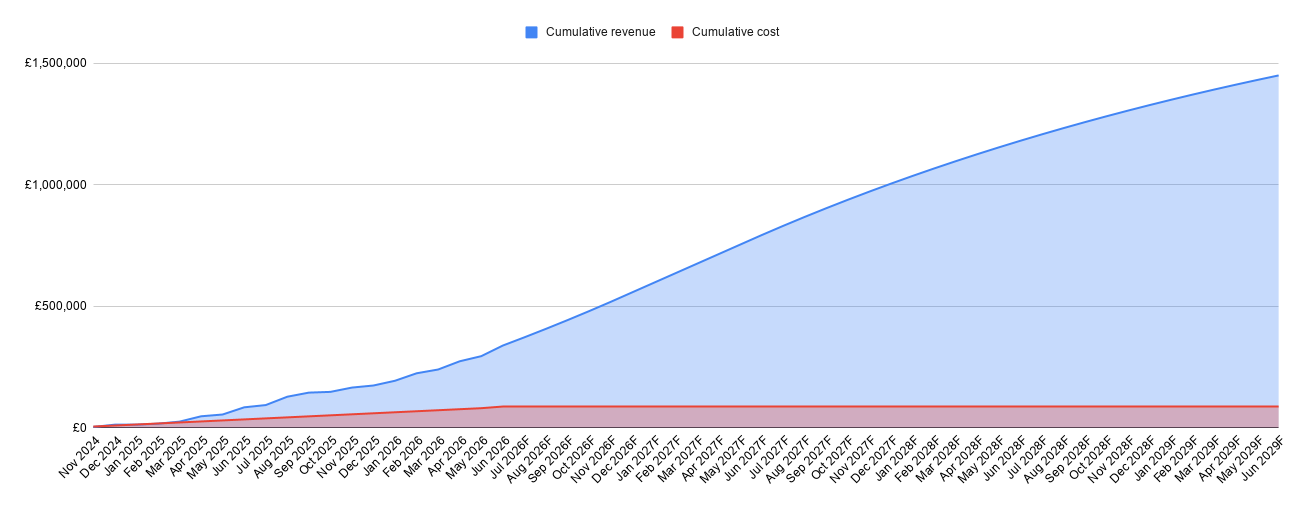
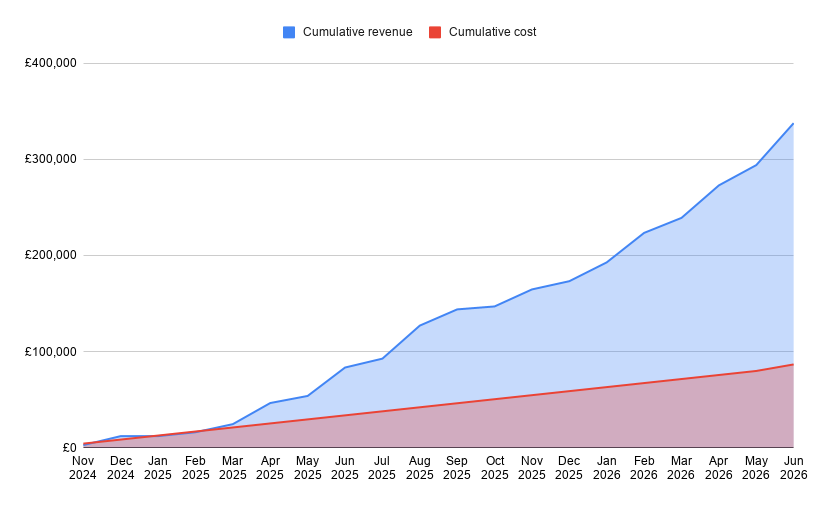
That’s the compounding: cumulative organic revenue has already reached roughly £400,000 against about £90,000 invested, and because we’re still actively working the campaign, the real curve is likely to be far steeper than the cautious projection above.
The part founders forget: company value
Recurring organic revenue doesn’t just pay you every month, it makes the whole business worth more. A store with a consistent, growing organic channel is more valuable and easier to sell.
The rough maths for this client: they’re now earning on the order of £500,000 a year from SEO that they simply weren’t capturing before. At a conservative 50% gross margin, that’s ~£250,000 a year in additional profit. Businesses of their size typically sell for around five times annual profit, which means the SEO work done so far has added an estimated £1.25M+ to the company’s value, on under £100,000 invested. That’s the increase in what the business is worth from this one channel, and it’s before you even count the recurring profit they bank along the way.
The biggest lessons
- Category pages, and links pointed straight at them, are where the money hides. For most ecommerce stores the biggest, most winnable revenue sits in the high-demand collection pages, not the blog and not the homepage.
- Start with the low-hanging fruit and compound upward. Chasing the hardest keywords first is how campaigns stall. Bank the easy wins, use the early revenue to fund the hard work.
- SEO compounds, but only for brands that don’t quit. Most stores pull the plug at month four or five, right before it kicks in. The biggest wins go to the founders playing a three-to-five-year game.
- It always starts with one honest question: is SEO even worth it here? For this client the niche-potential analysis said yes, loudly. That single check is why the campaign worked, and it’s exactly what we run, free, before taking anyone on.
Could this work in your niche?
Before we take on any store, we answer that same question for you: is SEO and AI search actually worth doing in your niche, what’s the realistic revenue on the table, and how much company value could it add? We look at your site, your competitors and the money they’re making, then tell you honestly whether the numbers work, even if the answer is no.
It’s a free 5–7 minute personalised video, delivered in one to two working days, with no sales call unless you want one. We only take on about 20 a month, so if you’re curious, it’s worth requesting sooner rather than later.
Want to see what's realistic for your store, before you commit a penny?
Request your free audit →